Weight of pain
Background
The Agency for Social Protection of Uzbekistan operates in a cultural and legal environment where violence against children has long been treated as a private family matter. Children are often seen not as independent individuals, but as objects of adult authority and control. As a result, abuse frequently remains invisible — socially tolerated and historically weakly addressed by law.
In 2024, this systemic issue became especially visible when a case of repeated sexual abuse of a child nearly resulted in a lenient sentence. The moment revealed a gap between the reality children live in and how society and institutions respond.
The Agency initiated Weight of Pain as a multi-layered public project designed to break this silence. Film was chosen as its central element — a starting point that could emotionally engage audiences and introduce a shared symbol. From there, the project expanded into cinemas, exhibitions, media discussion, and public forums.
Created for this market and moment, the film allowed the Agency to move beyond policy communication and enter the cultural space, using cinema to frame a national issue in a way that could be understood, discussed, and carried forward through the wider project.
Description
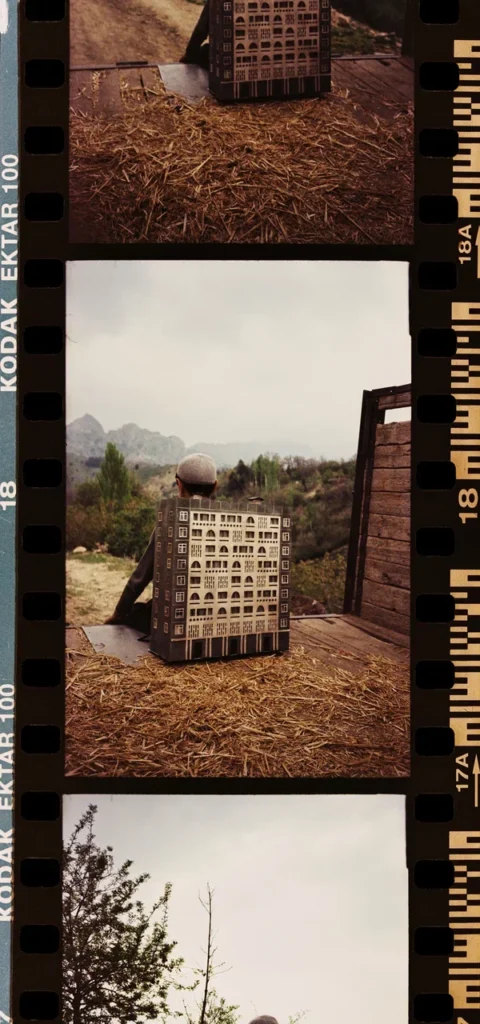
Weight of Pain is a film-led social project created by the Agency for Social Protection of Uzbekistan, built around a single, strong directorial metaphor. Based on real cases of child abuse, the film translates trauma into physical presence by showing children carrying heavy backpacks shaped like the places where violence occurred.
The key creative challenge was to address an extremely sensitive subject without shock or moral pressure. Direction deliberately avoided explicit depiction of violence, choosing instead to express pain through weight, repetition, silence, and duration. Everyday spaces were staged to feel familiar yet oppressive, while minimal performances allowed the children’s bodies to carry the emotional load.
By treating the film as cinema rather than social messaging, the direction created space for empathy and reflection. This approach allowed the work to shift perception, making invisible violence tangible and positioning the film as the emotional core of a wider public initiative.
Execution
From the very beginning, the team refused symbolic casting. The goal was to recreate real stories, not fictional characters. Actors were selected to physically match the real victims — age, height, body type, hair and eye color were all considered. This made casting extremely difficult. When performers learned that they would portray children who survived sexual and domestic abuse, many refused. Some agencies stopped communication entirely. Casting lasted for months, with over 70 candidates reviewed for certain roles. In the end, only those who were ready to confront the pain behind these stories became part of the film.
Outcome
As part of the broader Weight of Pain project, the film helped spark nationwide discussion about violence against children. The project was covered by more than 150 media outlets and reached over 24 million people. The conversation extended into cinemas, exhibitions, public events, and a UNICEF conference in Uzbekistan, where a child publicly spoke out against violence.
This sustained public attention contributed to institutional change. Uzbekistan’s parliament adopted a stricter version of the law “On the Protection of Children from All Forms of Violence,” and the film became mandatory viewing for professionals working with children.
Most importantly, a man who had previously avoided serious punishment for the sexual abuse of his stepdaughter was sentenced to 17 years in prison — the first case of such a severe sentence in the country. The project demonstrated how film, embedded within a wider initiative, can help drive real cultural and legal change.
Backstage from director and screenwriter Lado Kvataniya
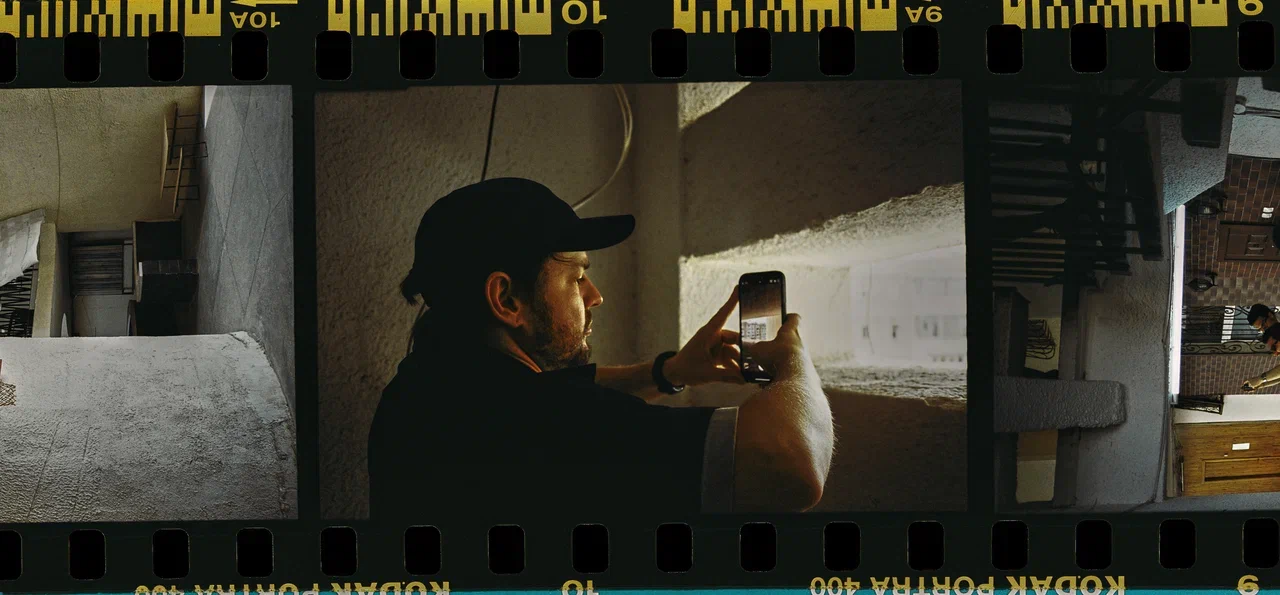
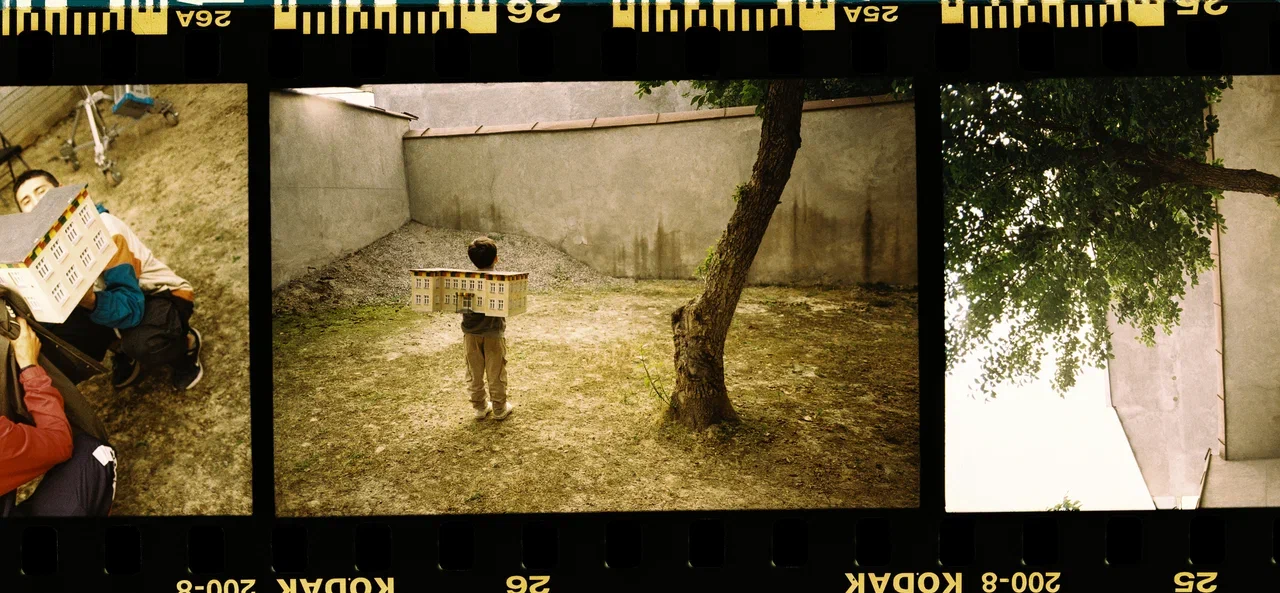
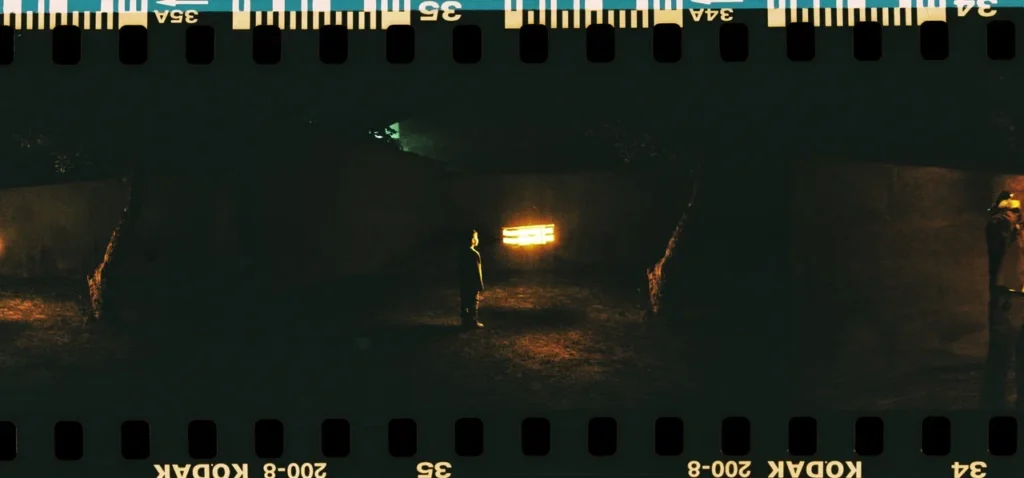
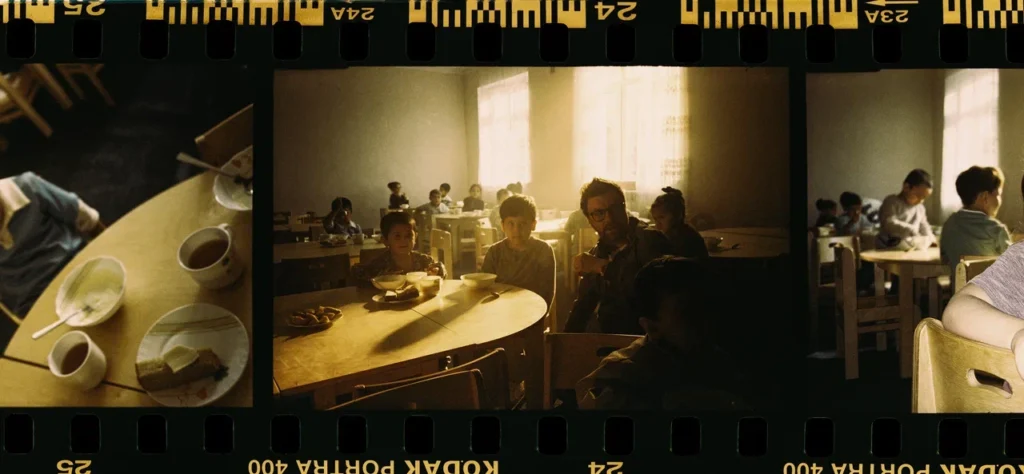
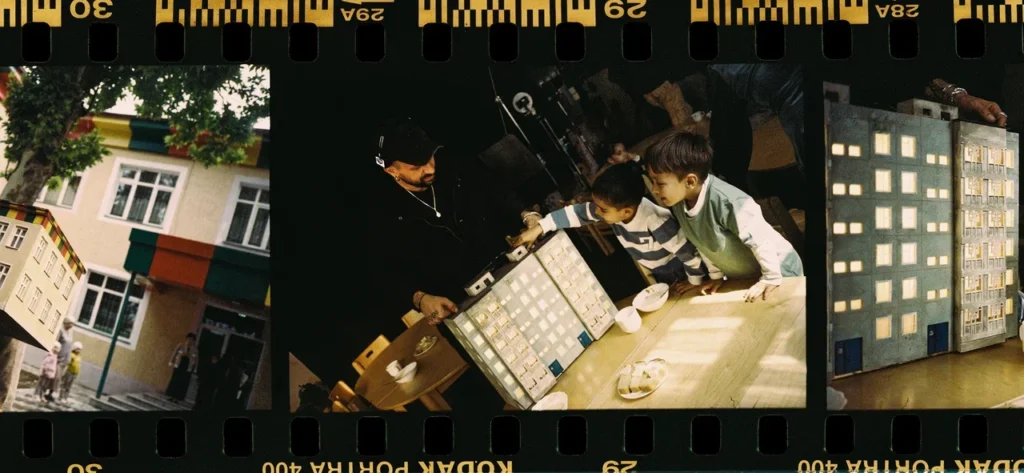
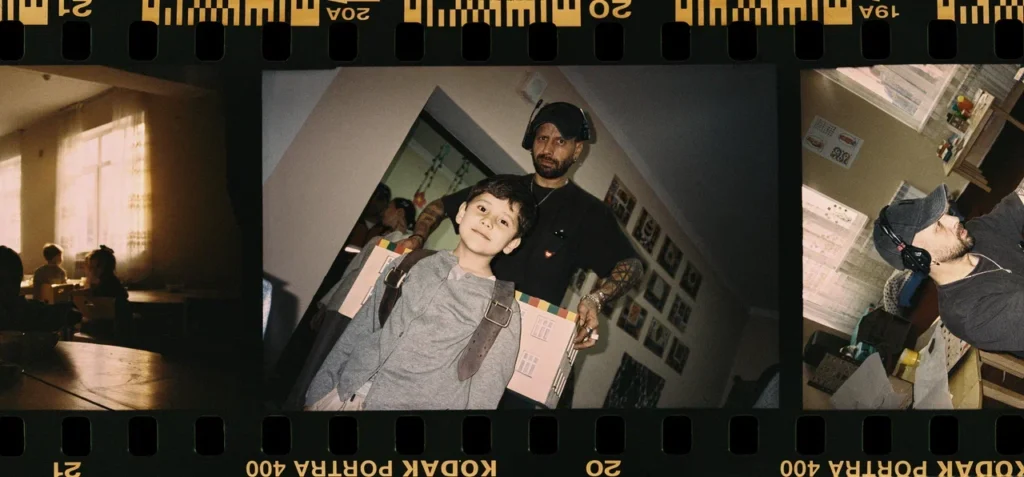
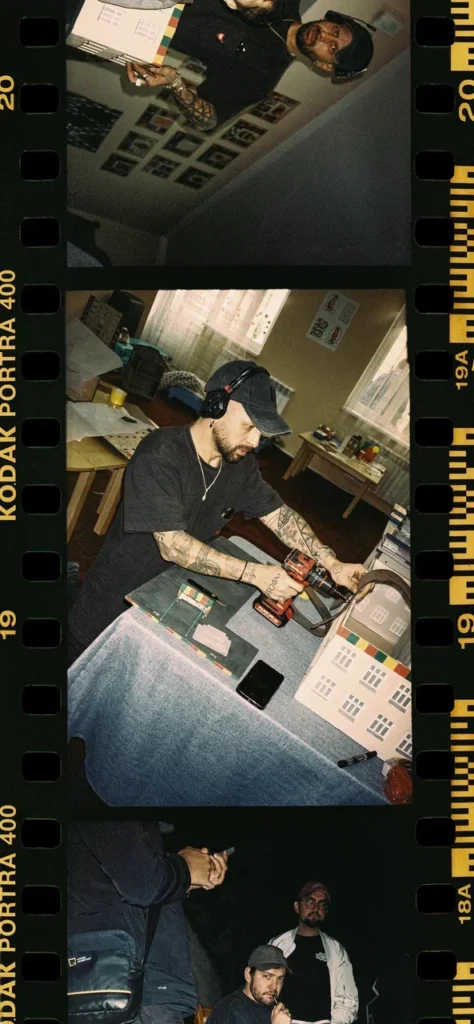
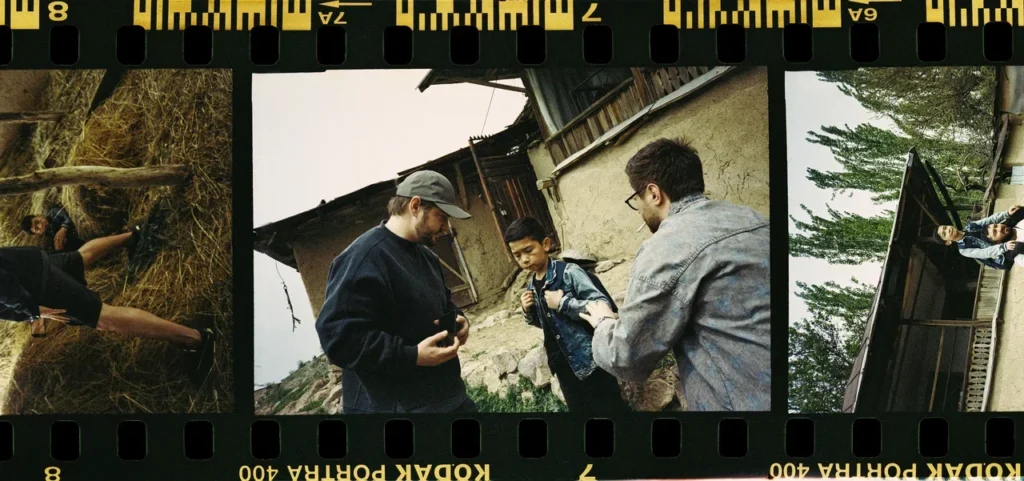
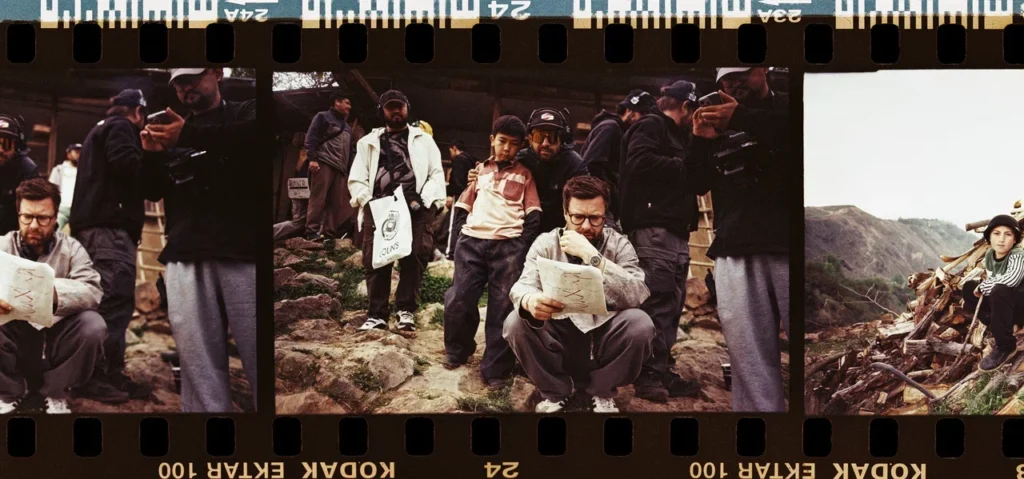
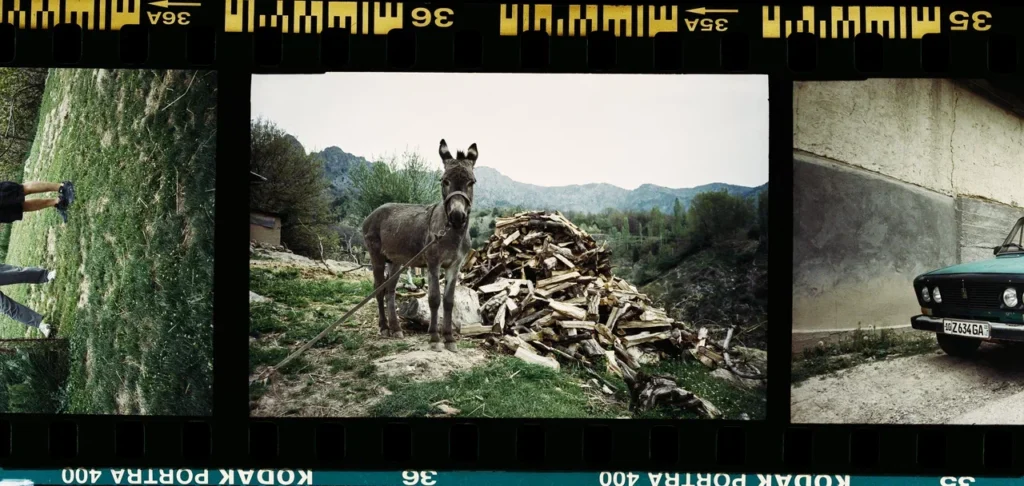
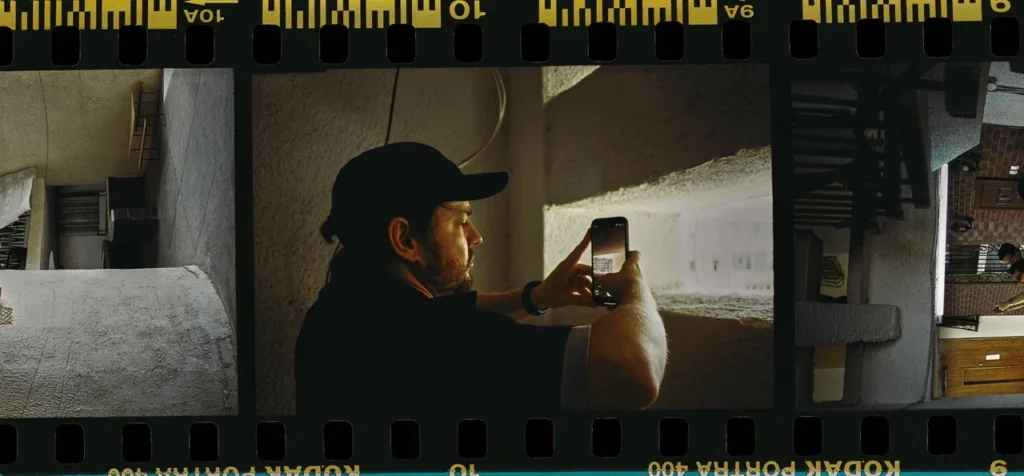
For the creative team, that support meant a great deal. We had the freedom to tell these stories honestly, without softening them or reaching for comfortable language. And we had the confidence that behind the film stood real work: the law, the institutions, the people who will continue what was started long after the final credits.
The Law “On the Protection of Children from All Forms of Violence” has been passed. But real change begins only when we truly listen to those for whom this law was created.
That is why, as part of the summit, we gave the floor to the children themselves.
Not to experts speaking on their behalf. Not to statistics. To children who had lived through what the law now describes in legal language, and who spoke about it in their own words, to an audience of the adults who make decisions for them.
It was the shortest part of the program and the one no one in the room will forget.
As part of the project, an installation was also created.
An exhibition is currently on view at City Mall, bringing together drawings by children who have experienced violence, collected from every region of Uzbekistan.
At its center stand the backpack-shaped houses from the film “I Have the Right.” They have become a symbol of the pain children carry without showing it: fear, anxiety, guilt, everything they hold silently inside.
The exhibition speaks about pain, and it speaks just as much about hope. About the belief that one day someone will be there, an adult a child can trust.
Take a few minutes to visit. City Mall, 1st floor.
Ten minutes can become a real step toward change. Attention itself is already a form of protection.
Credits:
Written and directed by Lado Kvataniya
Director of Photography — Vladimir Ushakov
General Producer — Khabibullo Nabiev
Production — Khabi Media
Supported by National Agency for Social Protection
under the President of the Republic of Uzbekistan
Creative Director’s — Farrux Sharif, Zamira Raxmanova
Producers — Nelya Akhmedova, Kamoliddin Xamrayev
Executive Producer — Lado Kvataniya
Cast:
Farangiz Akhmedova
Khojiakbar Alibekov
Umidjon Rahadaliyev
Nargiza Umarova
Leyla Farrukhova
Zhorabek Arziev
Khurshida Arabshoyeva
Firdavs Hakimjonov
Nigora Karimbaeva
Production Designer — Alexey Yandovsky
Set Decorator — Maria Gracheva
Props Master — Victoria Radionova
Costume Designer — Sajida Khasanova
Costume Designer — Nadtoka Irina
Costume Designer — Starygina Kseniya
Hair & Makeup Artist —Ekaterina Seryakova
Casting Director — Baxtiyor Raimjonov
Assistant to the Casting Director — Shoxrux Majidovich
1st Assistant Director — Nikita Mironov
2nd Assistant Director — Akmal Mukhitdinov
Assistant Director — Bahodir Kasimov
Best Guys —Mikhridinov Farid, Tolavoyev Odil, Yuldashev Yuldosh, Yuldashev Siroj,
Moldakulov Erzhan, Jalilov Ibrokhim
Props Assistants — Li Anna, Nigina Alieva
Location Manager — Muzaffar Yusupov, Jakhongir Raupov, Mirzamatov Vohidjon
1st Assistant Camera — Sarvar Sobirov
Gaffer — Timur Azim
Focus Puller — Otabek Yoldoshbekov
VFX by KNIFE STUDIO
Editor — Artem Dmitriev
Composer — Sasha Xuman
Sound Designer — Stanislav Paushev-Neznakomov
Colorist — Alexander Zolotarev
Storyboard — Anton Smolkin
Design By — Tolegen Sagymbay
Poster & Art Direction By BIG RATE STUDIO
Boom Assistant — George Rogov
Camera Mechanic — Sultonov Xasan
Construction Coordinator — Kozlov Alexey
Production Assistant — Yuldashov Javokhir
Production Assistant — Isayev Davron
Production Assistant — Tillaev Sukhrobbek
Service Manager — Mkhitaryan Mikael Simonovich
Service Assistant — Khoji Hasan Muhammad
Service Assistant — Kholmetov Sardor
BTS Camera Operator — Niyazof Muhammad Voris
Special Thanks:
Tashkent City Mall
Tashkent film
Manizha Sangin
Olivia Kvataniya
Nikita Kvataniya